General Discussion
Related: Editorials & Other Articles, Issue Forums, Alliance Forums, Region Forums
Scientists found a rhino in the Arctic and it changes everything
Researchers from the Canadian Museum of Nature have identified a previously unknown species of extinct rhinoceros from the High Arctic. The remarkably well-preserved fossil skeleton was uncovered in ancient lakebed sediments at Haughton Crater on Devon Island in Nunavut. This find represents the northernmost rhino species ever documented.
Rhinoceroses have a long evolutionary history spanning more than 40 million years, once inhabiting nearly every continent except South America and Antarctica. This newly identified "Arctic rhino" lived roughly 23 million years ago during the Early Miocene. It is most closely related to species that lived in Europe millions of years earlier.
The species, named Epiatheracerium itjilik [eet-jee-look], is described in a new study published in Nature Ecology and Evolution.
"Today there are only five species of rhinos in Africa and Asia, but in the past they were found in Europe and North America, with more than 50 species known from the fossil record," says the study's lead author Dr. Danielle Fraser, head of palaeobiology at the Canadian Museum of Nature (CMN). "The addition of this Arctic species to the rhino family tree now offers new insights to our understanding of their evolutionary history."
The research also introduces a revised rhinoceros family tree and suggests that this Arctic species reached North America via a land bridge. This route may have remained active for land mammals much later than previously believed.
https://www.sciencedaily.com/releases/2026/03/260324024245.htm
**************************************************************************
I don't know that this changes EVERYTHING, but it is certainly interesting!
 = new reply since forum marked as read
Highlight:
NoneDon't highlight anything
5 newestHighlight 5 most recent replies
= new reply since forum marked as read
Highlight:
NoneDon't highlight anything
5 newestHighlight 5 most recent replies

Easterncedar
(6,200 posts)
eppur_se_muova
(41,886 posts)Yes, some interesting details, but the headline is a little overblown. Rewriting paleontological (pre)history is pretty routine, with new specimens becoming the newest case of the earliest/latest/northernmost/southernmost just about every decade.
Now, find some more giant hornless rhinos in Central Asia (mostly incomplete specimens known) and I'd show more interest -- not that the bunch who recovered fossils from the High Arctic were any kind of underachievers.
https://iupress.org/9780253008190/rhinoceros-giants/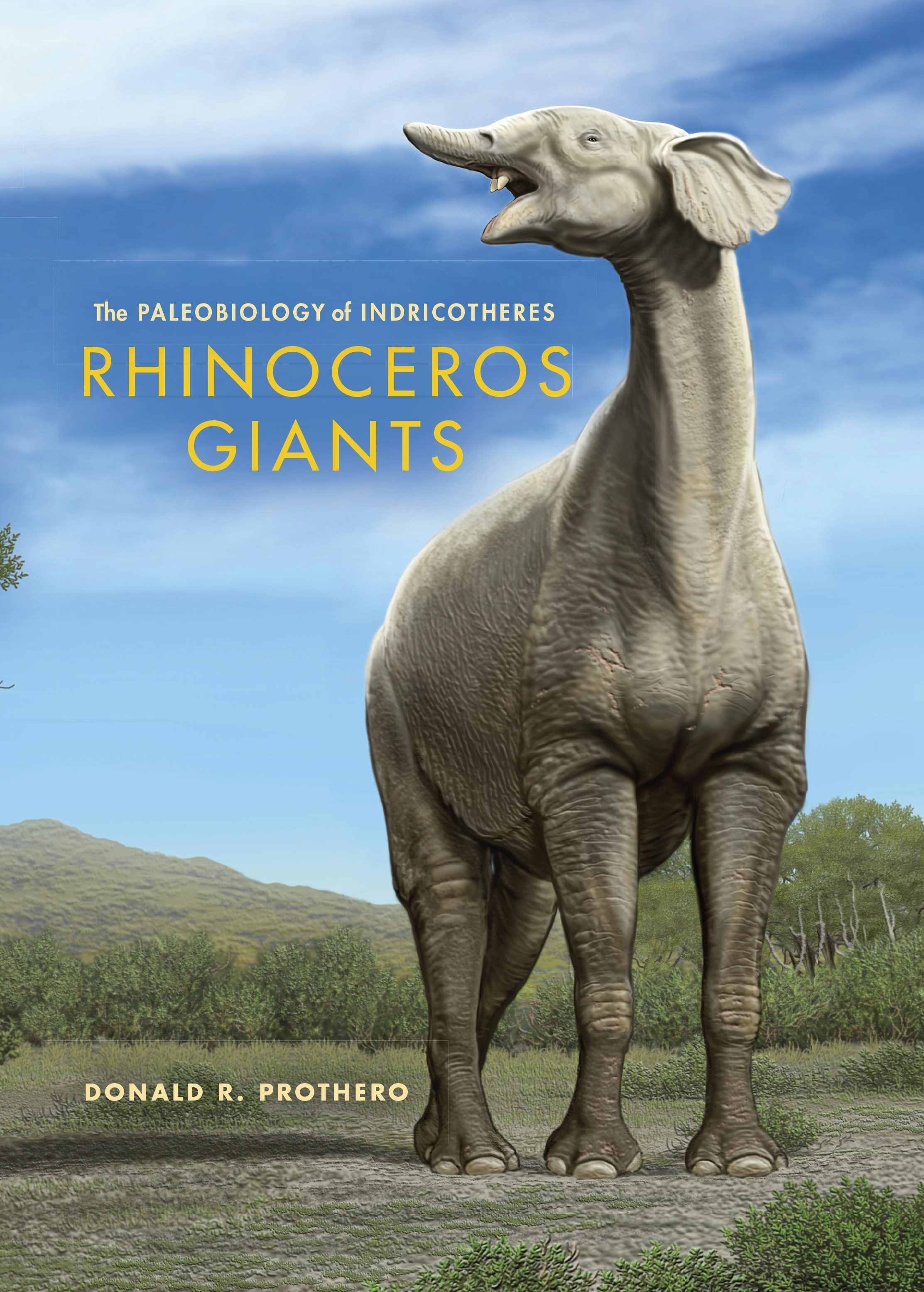
]
https://books.google.com/books?id=fbyn88ExO9IC&newbks=0&pg=PA27&source=gbs_selected_pages&cad=1#v=onepage&q&f=false