Environment & Energy
Related: About this forum
Air pollution increases physical disability progression in older adults
By Dr. Priyom Bose, Ph.D.
Feb 16 2026
Reviewed by Lauren Hardaker
Tracking nearly 30,000 older Americans over eight years, researchers show that long-term exposure to common air pollutants may not only raise the risk of physical decline but also reduce the chances of recovery.
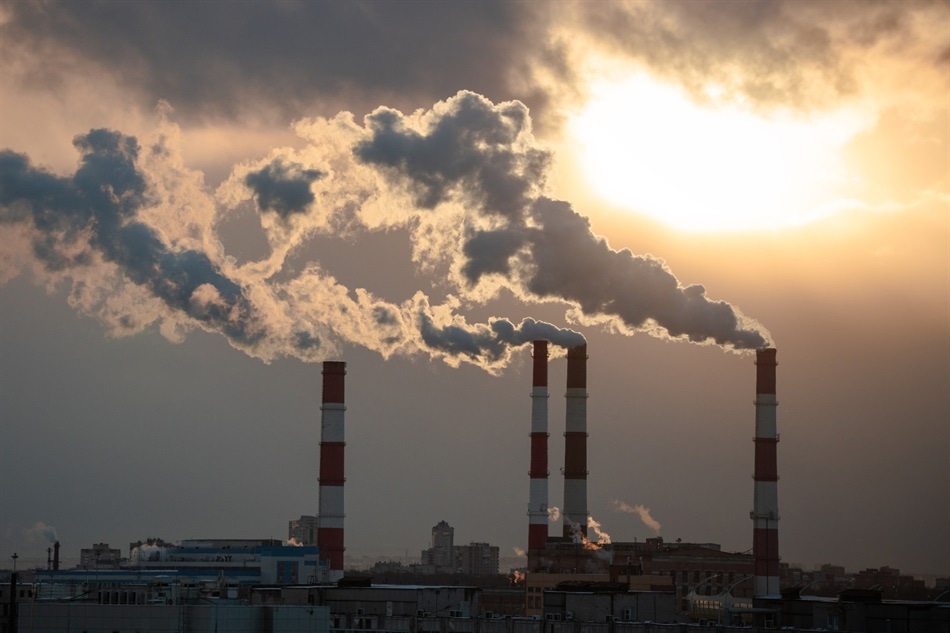
Smoke from factory pipe of heat station in the city in winter time.Study: Air Pollution and the Progression of Physical Function Limitations and Disability in Aging Adults. Image credit: DimaBerlin/Shutterstock.com
A recent study published in JAMA Network Open investigated how long-term exposure to air pollution influences the dynamic process of physical disability with aging. Long-term residential exposure to PM2.5, PM10-2.5, and NO2 was associated with a higher risk of worsening disability states, and PM2.5 was also associated with a lower likelihood of recovery from physical function limitations in older adults.
Understanding Air Pollution’s Role in Physical Disability
Life expectancy has increased worldwide, resulting in an expanded period of managing physical disabilities, which has significantly increased emotional and financial burdens. Older adults with physical disabilities require much more medical care and experience higher health care costs than those without. Considering these burdens, it is imperative to identify modifiable factors that influence physical disability in older adults, which could play a critical role in reducing or delaying disability.
Physical disability usually develops gradually, beginning with subtle health changes and chronic disease. As health worsens, people may develop functional limitations that can progress to difficulty with activities of daily living (ADL). This process isn't always linear; setbacks may be followed by periods of recovery, particularly after acute health events. Understanding disability as a continuum may help identify factors that worsen or improve it.
Long-term exposure to air pollutants such as particulate matter (PM), nitrogen dioxide (NO2), and ozone (O3) increases the risk of chronic diseases and contributes to physical limitations and disability. These pollutants can trigger inflammation, oxidative stress, and endothelial dysfunction, negatively affecting cardiovascular, respiratory, and metabolic health.
More:
https://www.news-medical.net/news/20260216/Air-pollution-increases-physical-disability-progression-in-older-adults.aspx
 = new reply since forum marked as read
Highlight:
NoneDon't highlight anything
5 newestHighlight 5 most recent replies
= new reply since forum marked as read
Highlight:
NoneDon't highlight anything
5 newestHighlight 5 most recent replies
mopinko
(73,732 posts)i was born in 54. i lived on a busy state road and swam in a river that was an open sewer in my industrial town. my health has been sketchy for a long time. at 71, i’m totally falling apart.
but worse than that, some of my kids r very sickly.
i dont have the gene for breast cancer, but my mom, 3 of my sisters and a niece have had it. i have 2 kids and multiple nieces w autoimmune disease.
Hoping that next generation can change the situation or move to a better one.
mopinko
(73,732 posts)5 kids and no grands. my youngest (the sickest) had a hysterectomy at 25. she got a lot of pushback, but just told them- i’m not passing this shit on.
#1 is 50. middle kid is 38 and has no plans.
i suppose my boys might reproduce, but so far, not.

quaint
(5,095 posts)One son, my two gdaughters did not receive the BRCA from their mom, but my gson did.
All twenty somethings, no plans for ggkids for me, despite beautiful SoCal.
76 next month, too thin, swallowed several fillings from broken teeth after a ladder fall.

I_UndergroundPanther
(13,370 posts)Is polluted where I live. Major roads converge here. The air pollution is off the charts sometimes my throat burns. I am here in this pollution vortex because it’s hud sect.8 housing. In the summer the scent of sulpher dioxide drifts around the house from the drains from outside . It’s a miracle I am alive.