Welcome to DU!
The truly grassroots left-of-center political community where regular people, not algorithms, drive the discussions and set the standards.
Join the community:
Create a free account
Support DU (and get rid of ads!):
Become a Star Member
Latest Breaking News
Editorials & Other Articles
General Discussion
The DU Lounge
All Forums
Issue Forums
Culture Forums
Alliance Forums
Region Forums
Support Forums
Help & Search

Add a $1 billion detour for California high-speed rail to Cesar Chavez's legacy
U.S. & WORLD // CALIFORNIA
Add a $1 billion detour for California high-speed rail to Cesar Chavez’s legacy
By Rachel Swan,
Staff Writer
April 29, 2026
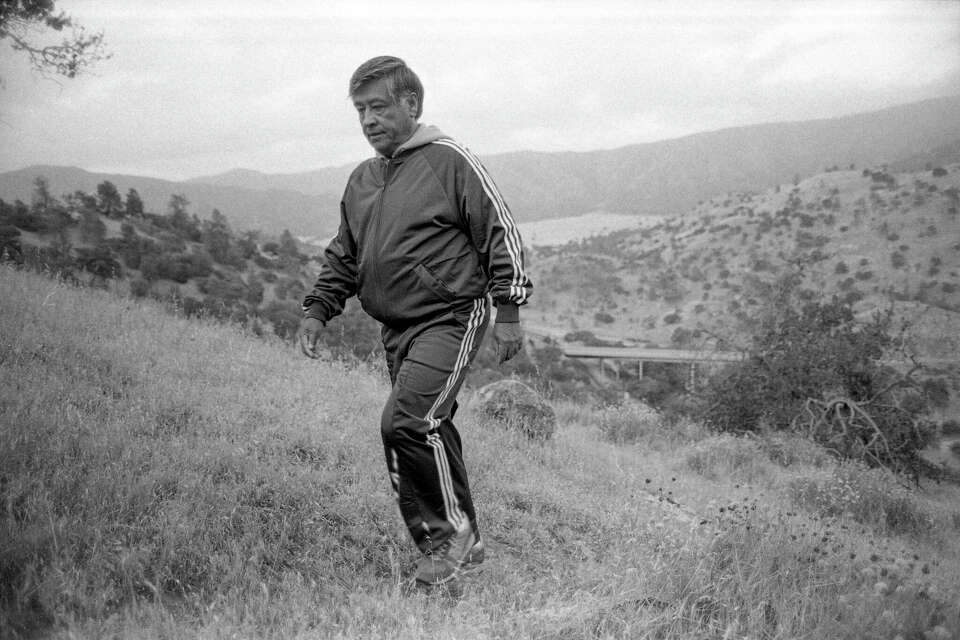
Labor leader Cesar Chavez walks through the landscape near the United Farm Workers headquarters in Keene (Kern County) in 1987. A costly reroute around the Cesar Chavez National Monument has added $1 billion to California’s high-speed rail project.
Casey Christie/For the S.F. Chronicle
Add one more twist to the complicated legacy of disgraced civil rights icon Cesar Chavez: A reroute around his grave site has inflated the cost of California’s high-speed rail project by nearly $1 billion.
The change, one of many to hobble high-speed rail over the years, stemmed from good intentions. Policymakers from the California High-Speed Rail Authority had to get the train through the Tehachapi Mountains, an important, geologically challenging terrain separating the San Joaquin Valley from the Mojave Desert. They needed to cut a path without causing too much disruption to the Cesar Chavez National Monument, a 187-acre compound, former headquarters of the United Farm Workers and final resting place for the once-celebrated leader.
But now, amid allegations that Chavez raped and abused women, Californians have been forced to reconsider the streets, institutions and infrastructure that bear his name, including the planned high-speed rail detour. Originally framed as an act of preservation and a concession to the farmerworkers’ movement, the rerouting has taken on a more fraught meaning. It’s another stark example of how politics and threats of litigation have warped the state’s marquee transportation megaproject.
“There have been all these opportunities for people to comment on the high-speed alignment and demand that things be mitigated,” said Adriana Rizzo of Californians for Electric Rail, an organization advocating for faster construction of sustainable rail projects, including bullet trains. She’s watched people throughout the state call for redesigns that wind up delaying the timeline for high-speed rail and preventing its construction.

A rendering of the kind of electrified high-speed rail train California plans to run in the San Joaquin Valley.
California High-Speed Rail Authority
Ironically, Chavez’s monument already sits on a key rail corridor that carries about 36 freight trains each day through the rugged Tehachapi. A single track loops around the property, creating a constant rumble for anyone walking among the Mission-style buildings and courtyards where Chavez lived and organized grape-field workers.
{snip}
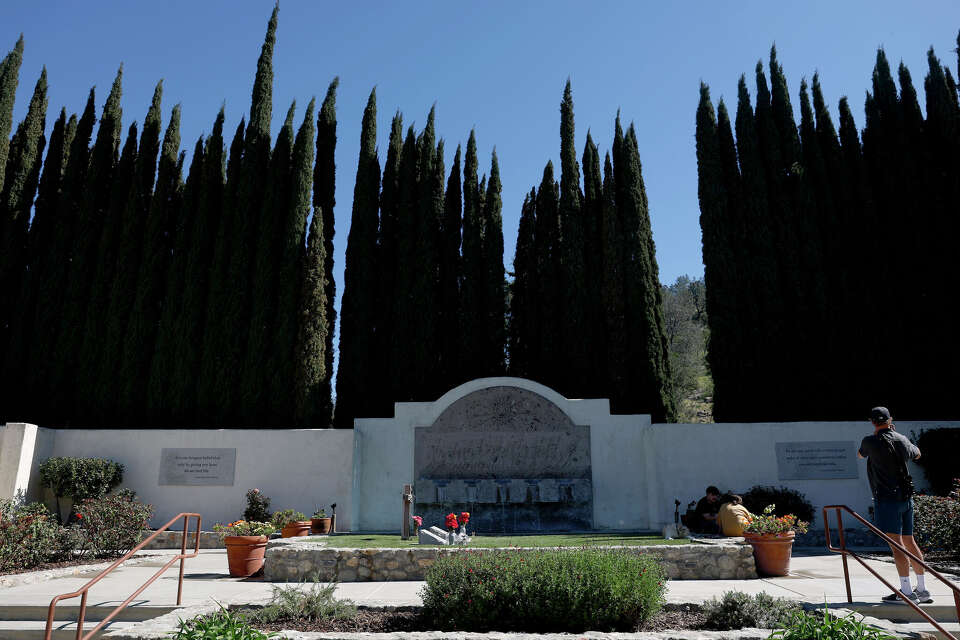
The Cesar Chavez National Monument’s lobbying to push the state’s high-speed rail project farther away from the site caused the project’s costs to increase by $1 billion.
Justin Sullivan/Getty Images
“I have been to the monument,” Rizzo said, “and it is right next to a freight corridor. So I don’t really understand why this quieter, less-polluting train would have to be invisible.”
{snip}
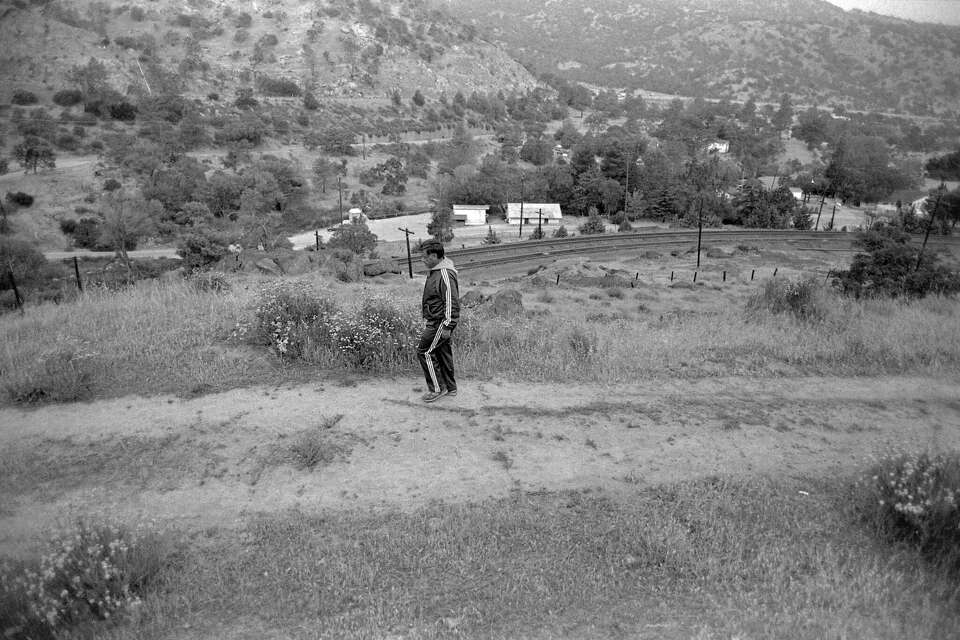
Labor leader Cesar Chavez walks near the Kern County headquarters of the UFW in 1987. A reroute around the Cesar Chavez National Monument has added $1 billion to California’s high-speed rail project.
Casey Christie/For the S.F. Chronicle{snip}
{snip}
April 29, 2026
Rachel Swan
REPORTER
Rachel Swan is a transportation reporter for the San Francisco Chronicle. She joined the paper in 2015 after stints at several alt weekly newspapers. Born in Berkeley, she graduated from Cal with a degree in rhetoric and is now raising two daughters in El Cerrito.
Add a $1 billion detour for California high-speed rail to Cesar Chavez’s legacy
By Rachel Swan,
Staff Writer
April 29, 2026
Labor leader Cesar Chavez walks through the landscape near the United Farm Workers headquarters in Keene (Kern County) in 1987. A costly reroute around the Cesar Chavez National Monument has added $1 billion to California’s high-speed rail project.
Casey Christie/For the S.F. Chronicle
Add one more twist to the complicated legacy of disgraced civil rights icon Cesar Chavez: A reroute around his grave site has inflated the cost of California’s high-speed rail project by nearly $1 billion.
The change, one of many to hobble high-speed rail over the years, stemmed from good intentions. Policymakers from the California High-Speed Rail Authority had to get the train through the Tehachapi Mountains, an important, geologically challenging terrain separating the San Joaquin Valley from the Mojave Desert. They needed to cut a path without causing too much disruption to the Cesar Chavez National Monument, a 187-acre compound, former headquarters of the United Farm Workers and final resting place for the once-celebrated leader.
But now, amid allegations that Chavez raped and abused women, Californians have been forced to reconsider the streets, institutions and infrastructure that bear his name, including the planned high-speed rail detour. Originally framed as an act of preservation and a concession to the farmerworkers’ movement, the rerouting has taken on a more fraught meaning. It’s another stark example of how politics and threats of litigation have warped the state’s marquee transportation megaproject.
“There have been all these opportunities for people to comment on the high-speed alignment and demand that things be mitigated,” said Adriana Rizzo of Californians for Electric Rail, an organization advocating for faster construction of sustainable rail projects, including bullet trains. She’s watched people throughout the state call for redesigns that wind up delaying the timeline for high-speed rail and preventing its construction.
A rendering of the kind of electrified high-speed rail train California plans to run in the San Joaquin Valley.
California High-Speed Rail Authority
Ironically, Chavez’s monument already sits on a key rail corridor that carries about 36 freight trains each day through the rugged Tehachapi. A single track loops around the property, creating a constant rumble for anyone walking among the Mission-style buildings and courtyards where Chavez lived and organized grape-field workers.
{snip}
The Cesar Chavez National Monument’s lobbying to push the state’s high-speed rail project farther away from the site caused the project’s costs to increase by $1 billion.
Justin Sullivan/Getty Images
“I have been to the monument,” Rizzo said, “and it is right next to a freight corridor. So I don’t really understand why this quieter, less-polluting train would have to be invisible.”
{snip}
Labor leader Cesar Chavez walks near the Kern County headquarters of the UFW in 1987. A reroute around the Cesar Chavez National Monument has added $1 billion to California’s high-speed rail project.
Casey Christie/For the S.F. Chronicle{snip}
{snip}
April 29, 2026
Rachel Swan
REPORTER
Rachel Swan is a transportation reporter for the San Francisco Chronicle. She joined the paper in 2015 after stints at several alt weekly newspapers. Born in Berkeley, she graduated from Cal with a degree in rhetoric and is now raising two daughters in El Cerrito.